 Image 1 of 3
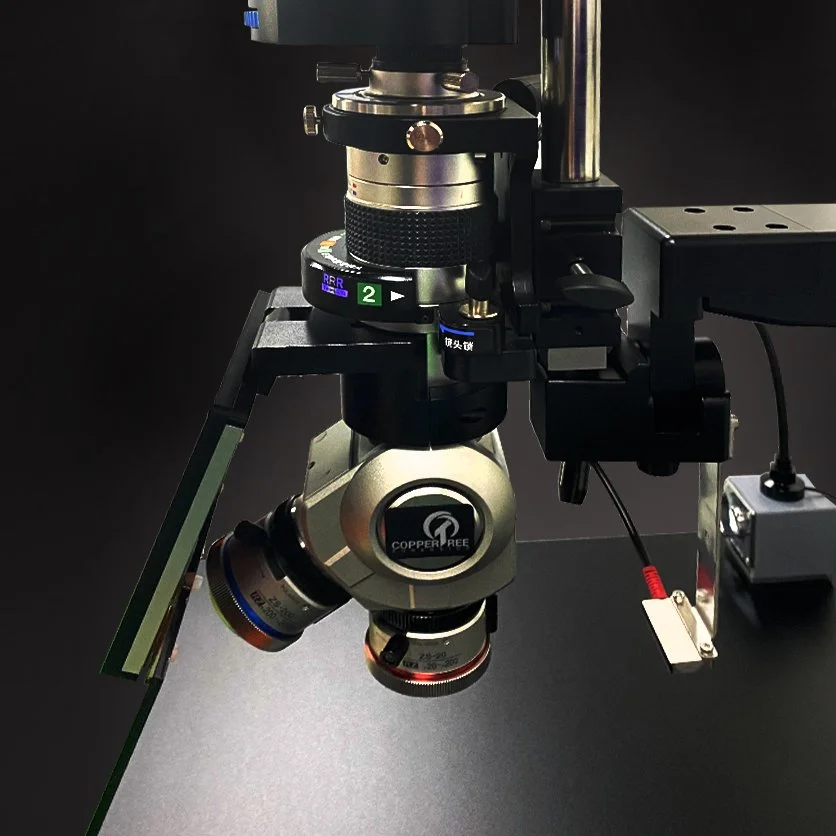 Image 2 of 3
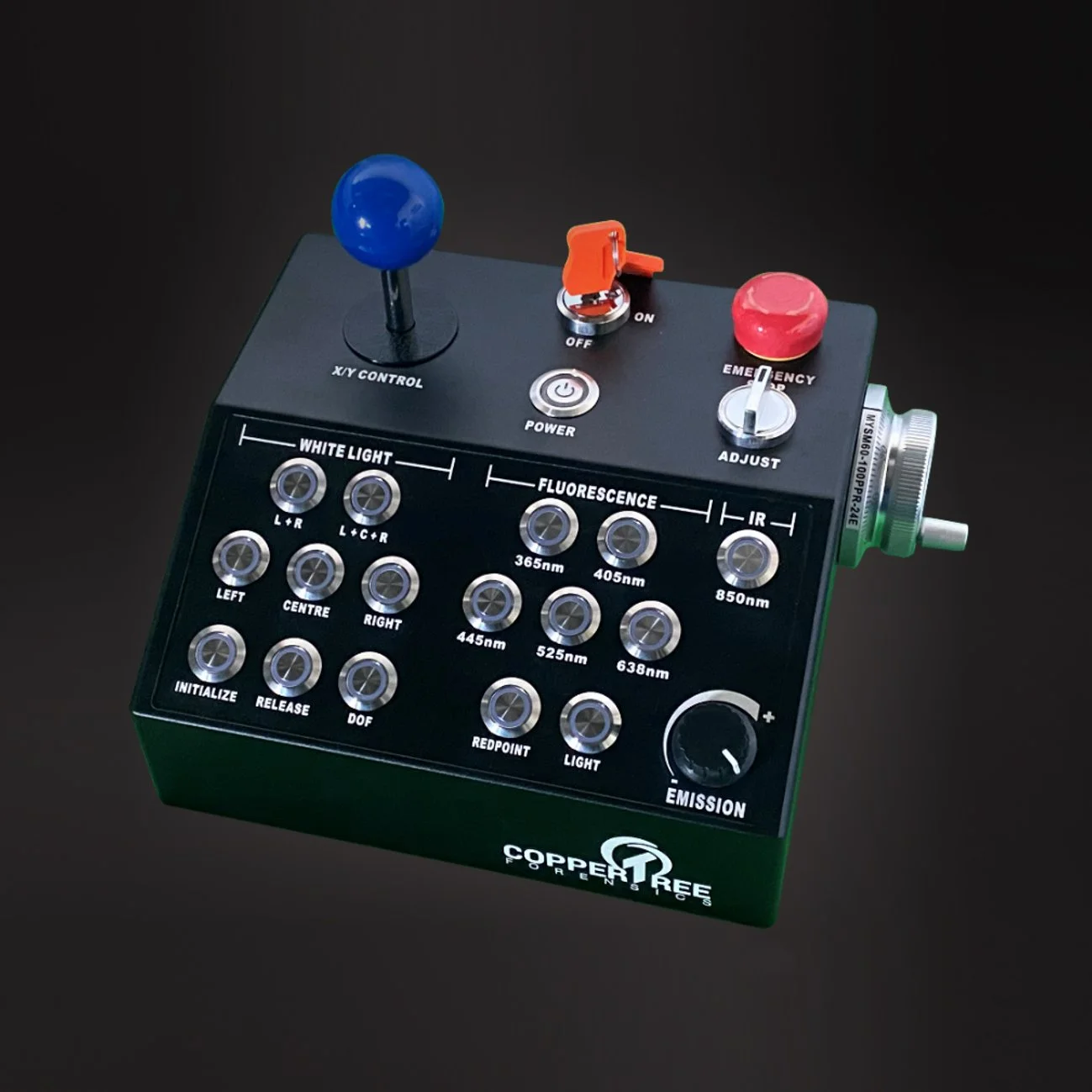 Image 3 of 3
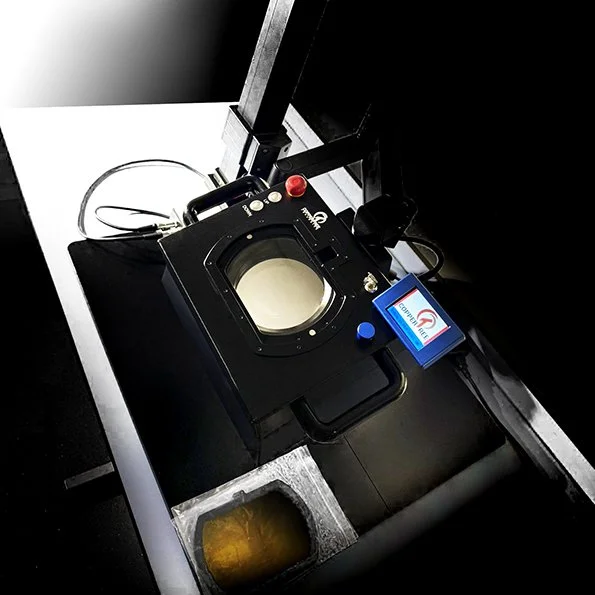
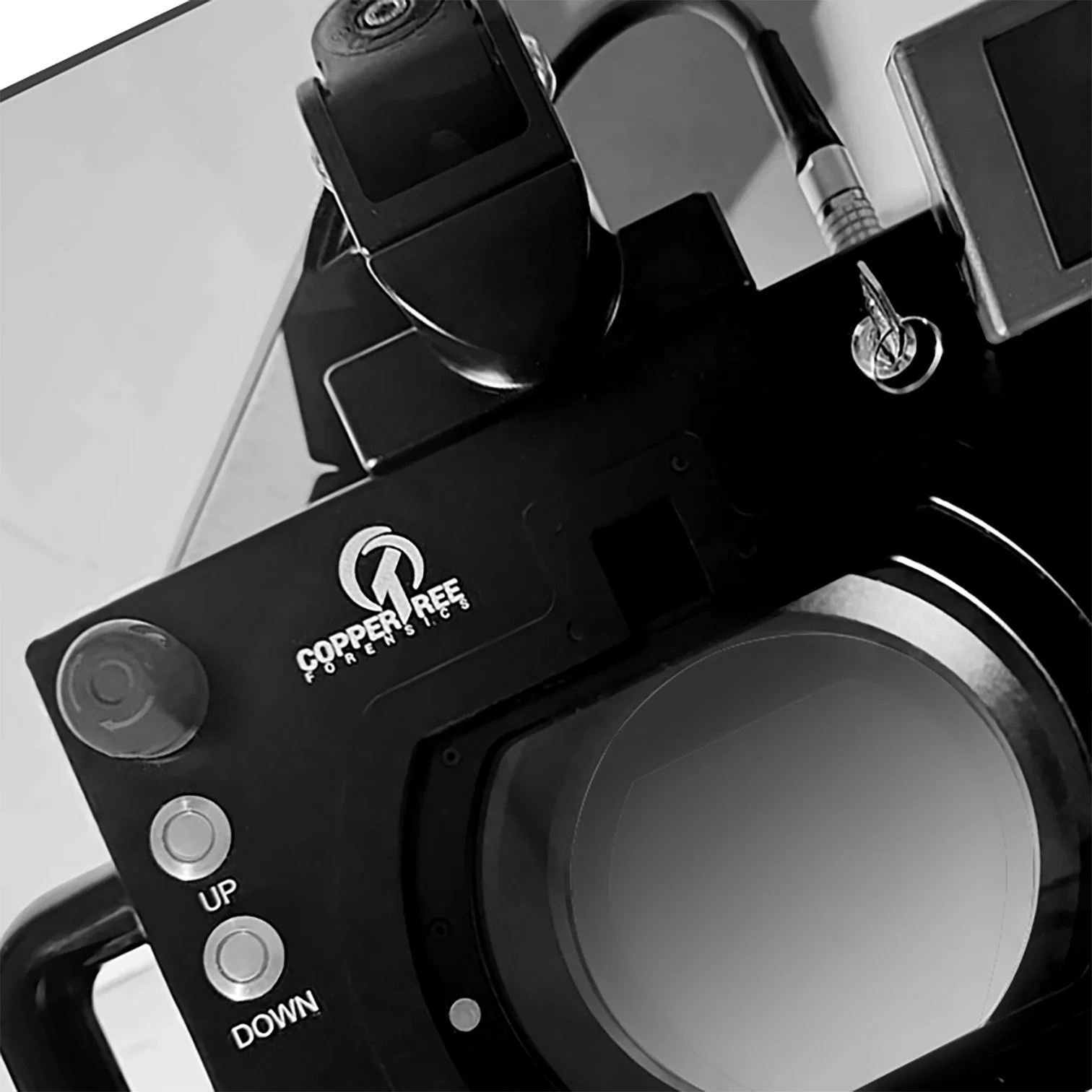
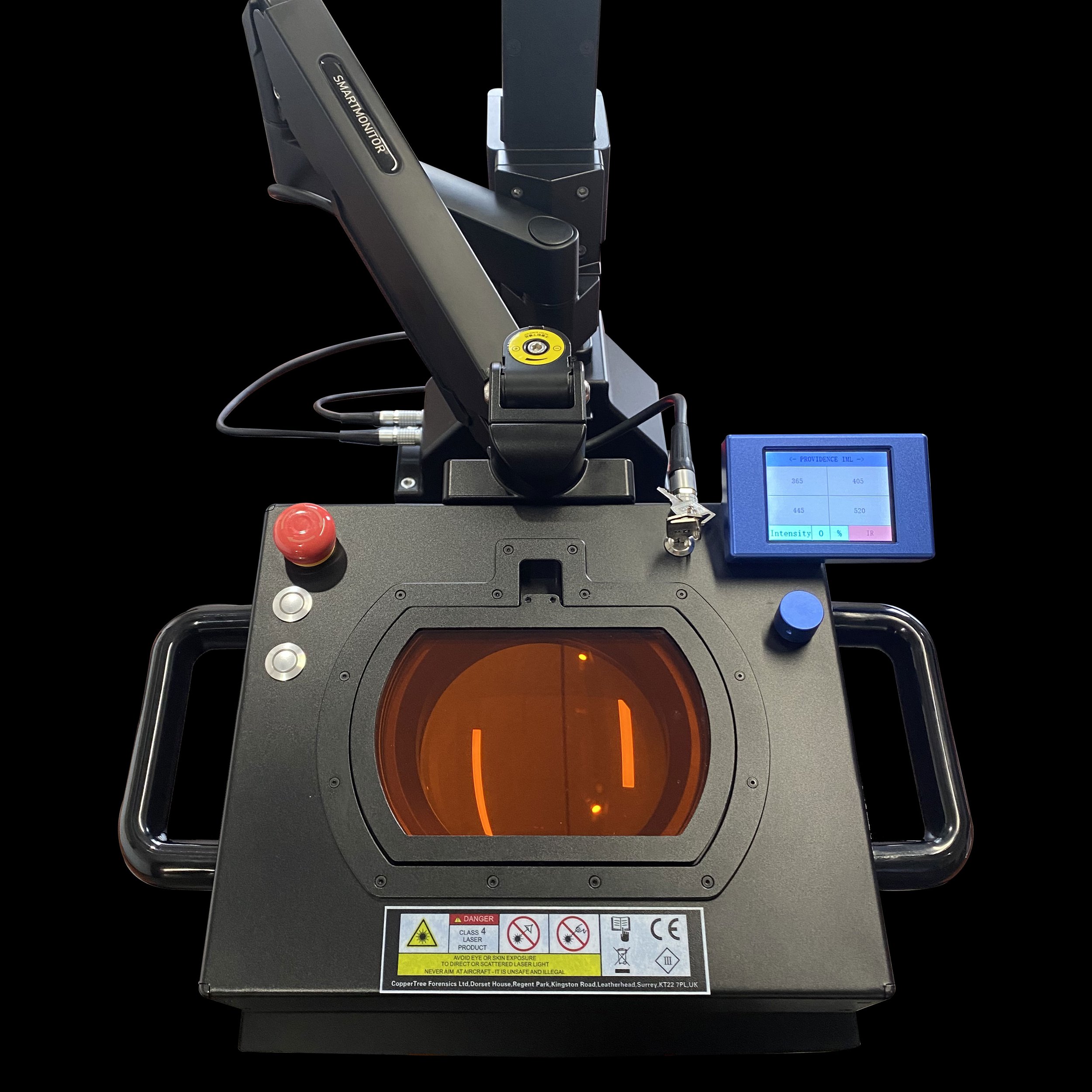
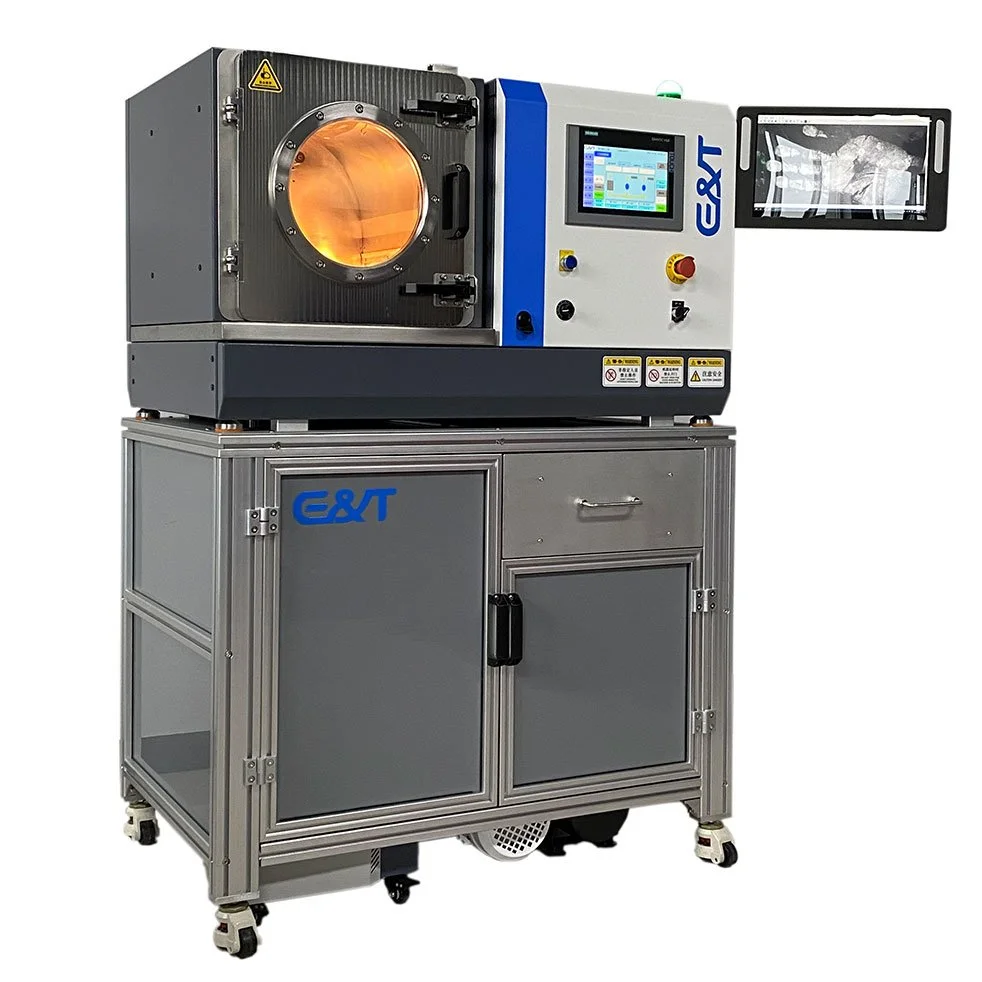
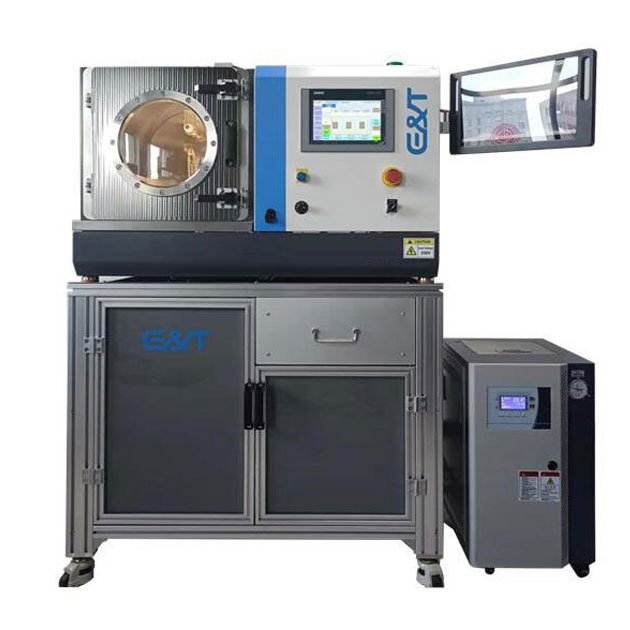
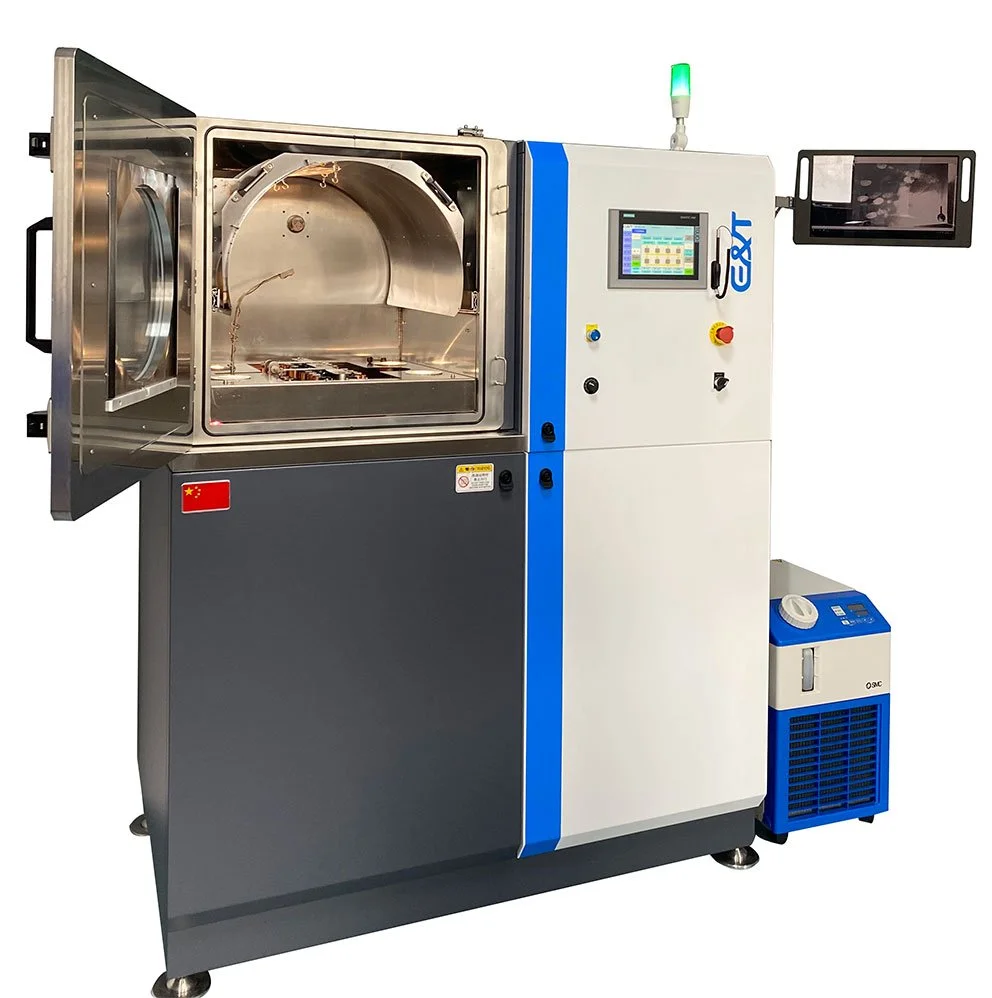
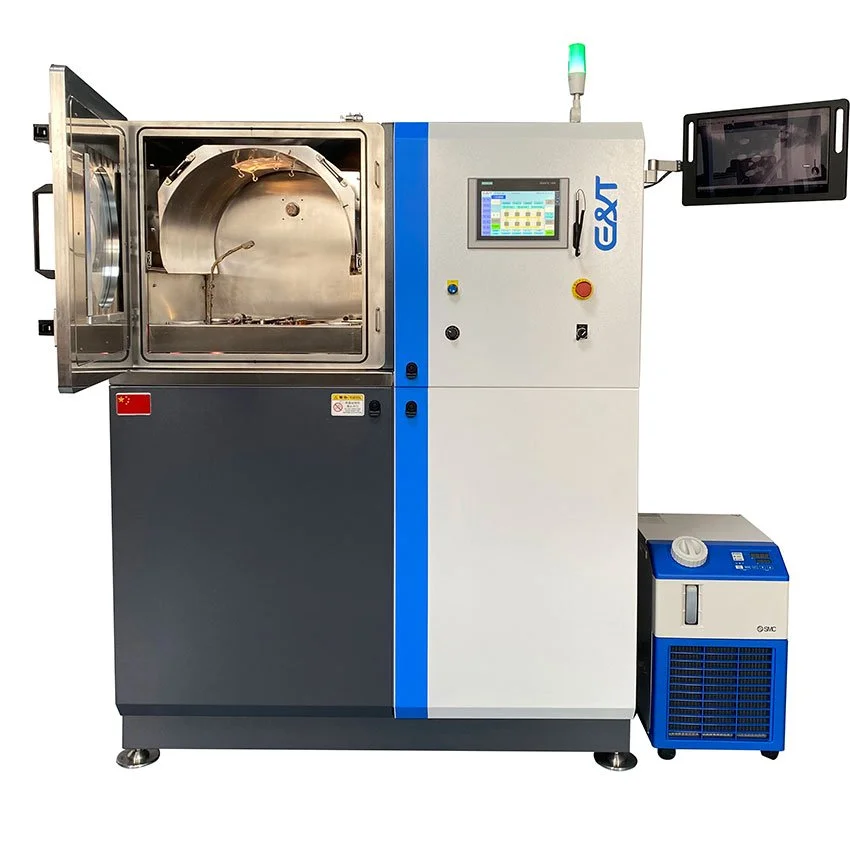
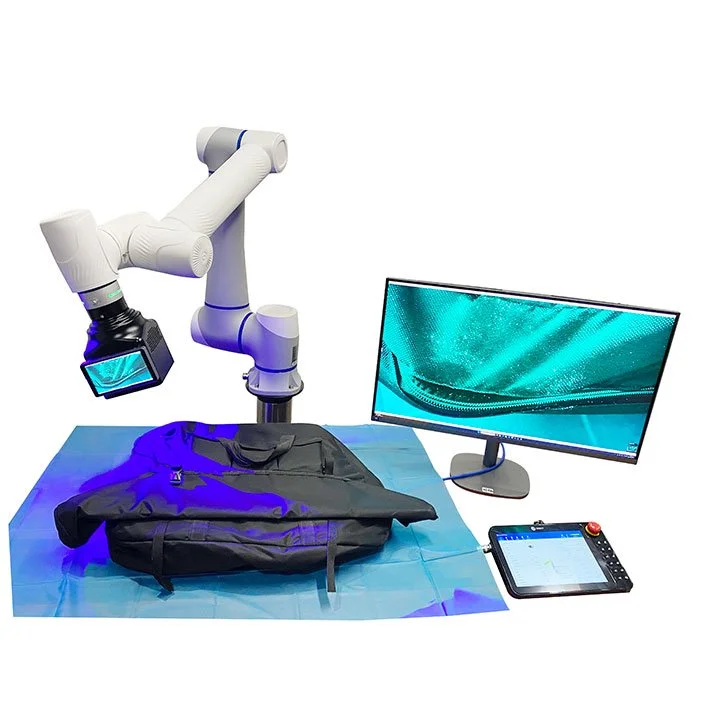
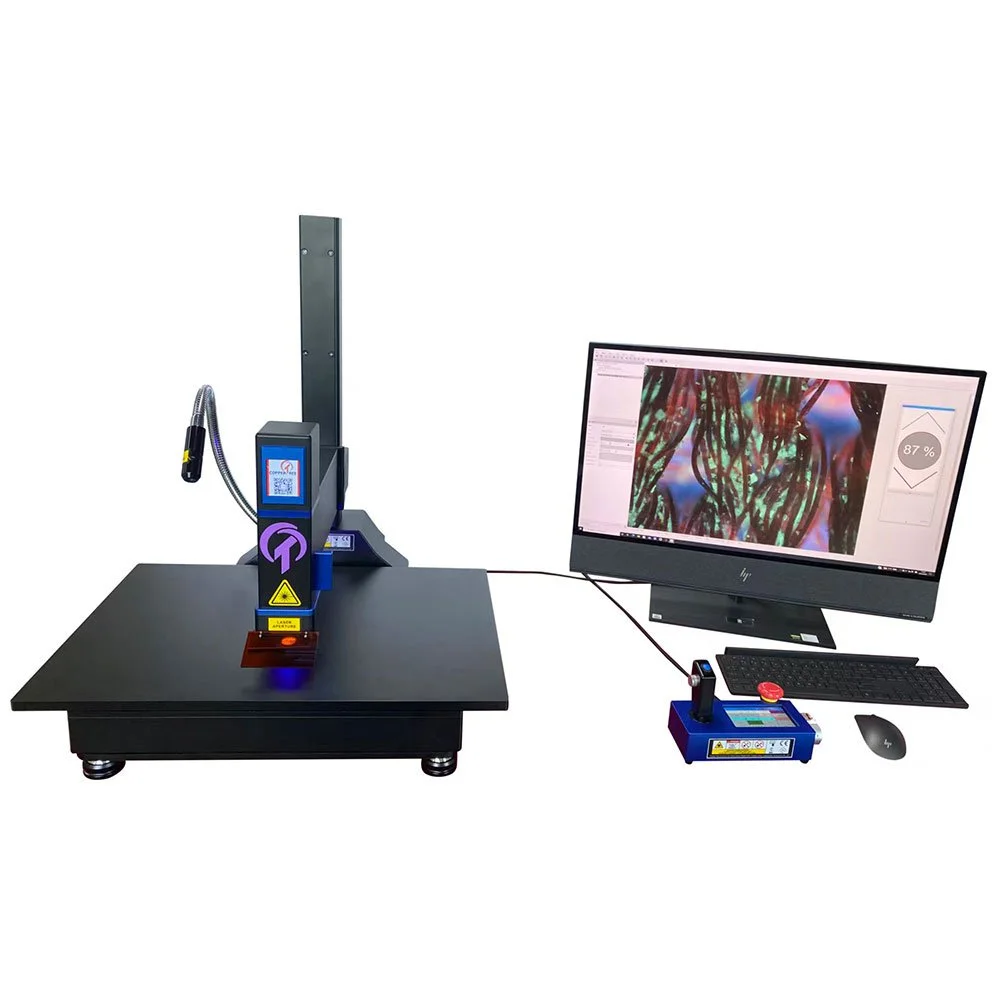
The TRACE DNA Microscope - Detection & Imaging System [add spec]
Exfoliated cell DNA, also known as contact trace DNA, follows the "Lockard material exchange theory", which refers to the traces left on the surface of the object after the human body contacts the object, obtains human epithelial cells through effective extraction, and carries out DNA test on these cells.
The human body shed about 400000 epithelial cells every day, but these epithelial cells are the human tissue with the lowest success rate of DNA typing. Due to the different lifestyle and metabolic function of each person, the amount of exfoliated cells left by each person after contacting articles varies greatly. Because the exfoliated cells are very small, belonging to micron scale and invisible to the naked eye, how to effectively solve the problem of blind extraction of exfoliated cells is the key to improve the detection rate of DNA.
The TRACE DNA Microscope - Detection & Imaging System [add spec]
Exfoliated cell DNA, also known as contact trace DNA, follows the "Lockard material exchange theory", which refers to the traces left on the surface of the object after the human body contacts the object, obtains human epithelial cells through effective extraction, and carries out DNA test on these cells.
The human body shed about 400000 epithelial cells every day, but these epithelial cells are the human tissue with the lowest success rate of DNA typing. Due to the different lifestyle and metabolic function of each person, the amount of exfoliated cells left by each person after contacting articles varies greatly. Because the exfoliated cells are very small, belonging to micron scale and invisible to the naked eye, how to effectively solve the problem of blind extraction of exfoliated cells is the key to improve the detection rate of DNA.